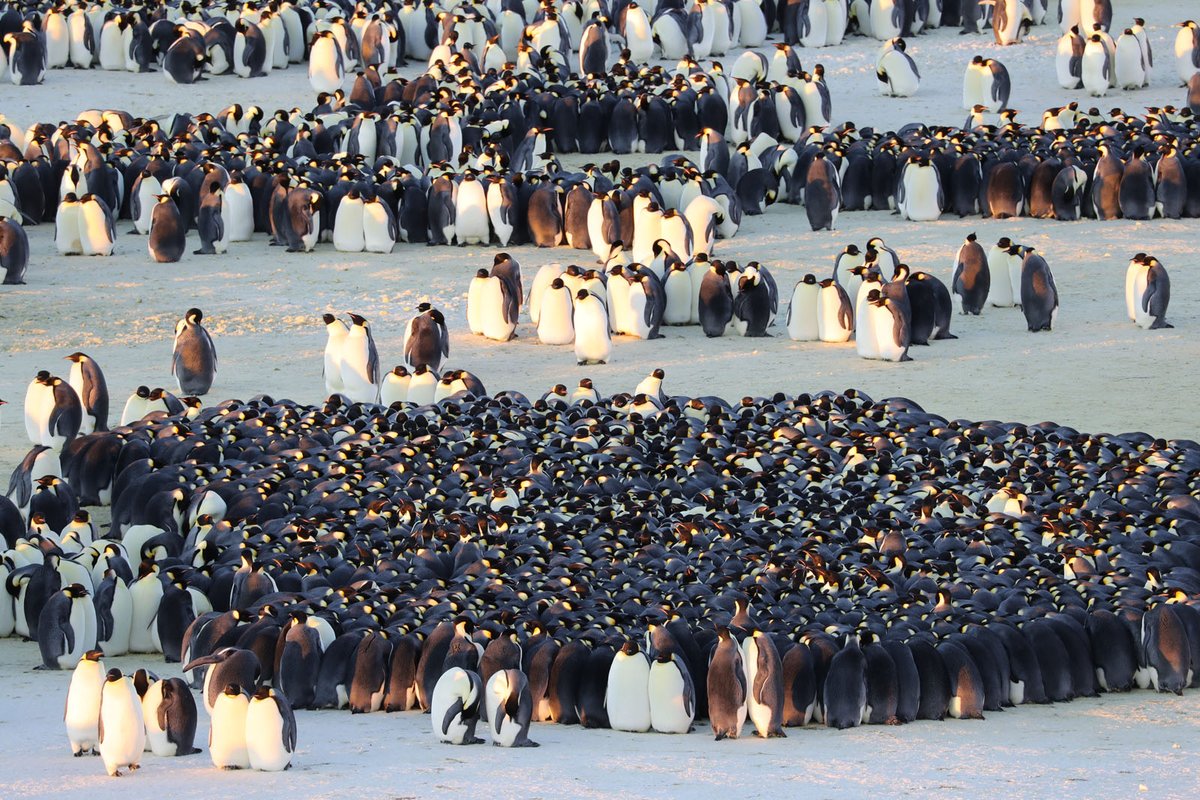
Imagine standing on a desolate ice shelf, the wind biting at your exposed skin, knowing that your next shot could capture a never-before-seen moment in the lives of one of Earth’s most enigmatic creatures. This isn't just a romantic ideal; it's the daily reality for filmmakers tackling the formidable Filming Techniques & Challenges with Penguins. As National Geographic Explorer Bertie Gregory, the visionary behind "Secrets of the Penguins," knows intimately, bringing the mysterious world of these birds to our screens demands an unparalleled blend of resilience, cutting-edge technology, and an almost psychic connection to the animal kingdom.
At a glance: What it takes to film penguins in the wild
- Extreme Resilience: Filmmakers endure months in brutal Antarctic conditions, camping miles from colonies with no warm retreat.
- Cutting-Edge Tech: New drones with extended flight times and powerful zoom lenses are crucial for capturing intimate behaviors without disturbance.
- Small, Agile Teams: Compact crews (e.g., three people for a 274-day shoot) maximize maneuverability and minimize impact.
- Ethical Proximity: Penguins' lack of land predators allows for remarkably close interaction, but maintaining respectful distance is always paramount.
- Deep Patience: Capturing once-in-a-lifetime events, like a 50-foot chick jump, requires weeks or months of waiting.
- Purpose-Driven Storytelling: Beyond spectacle, these films highlight penguins as indicators of ocean health and climate change.
The Unseen World Beneath the Ice: Why Penguins Captivate Filmmakers
There’s something undeniably compelling about penguins. Perhaps it’s their human-like waddle, their seemingly formal attire, or their unwavering determination in some of the planet’s harshest environments. For filmmakers like Bertie Gregory, the allure goes much deeper, into a realm of rich, dramatic storytelling usually reserved for human narratives. Unlike many skittish wild animals, penguins offer a unique opportunity: they invite you in.
Gregory, who has spent extensive time among various penguin species, continually finds new facets to their behavior, even after years of dedicated observation. This sense of ongoing discovery—that there’s always more to learn and capture—is a powerful motivator. It pushes crews to endure freezing temperatures, relentless winds, and immense logistical hurdles, all for the chance to reveal a new secret of the icy continent.
The Fourth Wall and Fearlessness: What Makes Penguins Different
One of the most remarkable aspects that sets penguins apart for wildlife filmmakers is their unique relationship with humans. Because penguins evolved without significant land-based predators in places like Antarctica, they simply don’t perceive humans as a threat. This absence of fear translates into a relaxed, bold, and often curious demeanor around people and cameras.
"Penguins sometimes 'break the fourth wall' with the cameras," Gregory notes, describing how they might waddle right up to a lens, peer into it, or even attempt to interact with equipment. This isn't a sign of disturbance, but rather a display of their natural curiosity. This unique biological trait allows filmmakers to achieve an extraordinary level of intimacy, capturing raw, unfiltered behaviors without the animals feeling pressured or altering their natural routines. Imagine trying to get a lion to ignore your presence or a deer to casually walk past your camera; with penguins, this level of access is often the norm, not the exception. This intimate access makes all about films with penguins a truly unique subgenre in wildlife documentary filmmaking, offering a window into a world few ever witness firsthand.
Battling the Elements: Extreme Environments and Logistical Nightmares
Filming penguins isn't merely about pointing a camera; it’s an expedition into some of the most unforgiving corners of the globe. Locations like the Ekström Ice Shelf in Antarctica or the rugged, freezing shores of South Georgia island are not just backdrops; they are active, often hostile, participants in the filmmaking process. These environments test every piece of gear, every crew member’s resolve, and every meticulously planned detail.
The challenges extend far beyond the immediate cold. Crews face isolation, unpredictable weather that can trap them for days, and the sheer physical toll of living and working in such conditions. Every piece of equipment, every meal, every drop of fuel must be carefully calculated and transported, often thousands of miles, across treacherous seas and icy terrains. There's no quick resupply run, no warm cafe around the corner. Resilience isn't just a desirable trait; it's a fundamental requirement for survival and success.
Beyond the Cold: Distance, Isolation, and Basic Needs
Consider the 2.5-month shoot dedicated solely to capturing Emperor penguin chicks for "Secrets of the Penguins." Gregory’s crew didn't just visit the colony; they lived and breathed its icy air, camping a mile away with no warm retreat. After a day spent working in freezing water, the journey back to "base" involved a 20 km snowmobile ride – not to a heated lodge, but to a cold tent. This isn't luxury filmmaking; it’s an exercise in enduring deprivation for the sake of the story.
Such extended isolation and harsh living conditions demand a specific kind of team. Gregory’s 274-day Antarctica shoot, for instance, relied on a crew of only three people. This isn't just about budget; it's a strategic choice. Smaller teams are more maneuverable, leave a lighter footprint, and can operate with greater agility in sensitive environments. They also foster an intense bond and reliance on each other, turning colleagues into a makeshift family against the vast, white wilderness. This tight-knit approach allows them to adapt quickly when things inevitably go wrong, minimizing downtime and maximizing opportunities in the fleeting windows of good weather or unique behavior.
Unexpected Encounters: Navigating Wildlife Interactions
While penguins are often amiable, other denizens of the icy realms can pose their own unique challenges. Leopard seals, for instance, are formidable predators with a powerful curiosity. Gregory’s crew encountered these animals, which are known to use their teeth to explore objects. This isn't an aggressive act in the traditional sense, but it still requires the crew to be constantly aware and adaptable, understanding the animals' natural behaviors and reacting in ways that ensure both human safety and animal well-being. It’s a delicate dance of observation and respect, constantly adjusting to the unpredictable nature of the wild. These interactions highlight the need for extensive training and a deep understanding of marine biology when embarking on such ambitious projects.
Revolutionizing the Lens: Modern Technology on Ice
Filming wildlife, particularly in remote and challenging environments, is a constant race against technological limits. Over the years, advancements in cameras, stabilization, and remote operation have opened doors to capturing scenes once thought impossible. For penguins, recent innovations have been nothing short of transformative, especially in the realm of aerial cinematography.
The goal is always the same: get the shot without disturbing the animal. Traditional approaches often involved long lenses from a distance or carefully positioned fixed cameras. While still vital, modern tech provides new angles and capabilities that offer unprecedented insights, particularly into group dynamics and large-scale movements.
The Drone Advantage: Unveiling Unseen Behaviors
New drone technology has become an absolute game-changer in penguin filmmaking. Gregory highlights their crucial role, citing significant advancements that have directly impacted what crews can capture. The key improvements are twofold: longer flight times and powerful zoom lenses.
In the past, aerial shots were often quick fly-bys, offering glimpses rather than comprehensive narratives. Modern drones, however, can hover longer, allowing the crew to observe full, unfolding behaviors from a distance. This means they can capture an entire sequence—a feeding frenzy, a migration, or a dramatic interaction—without the drone's presence being a fleeting disturbance. The powerful zoom lenses further enhance this capability, enabling filmmakers to maintain a respectful distance from the colony, minimizing any potential stress or disruption to the penguins' natural routines, while still getting incredibly detailed, intimate shots. This ability to capture sustained, undisturbed behavior from an aerial perspective is a significant advancement over previous quick aerial shots, providing context and scope previously unattainable.
From Instinct to Innovation: Capturing Split-Second Action
While technology provides the tools, it's the filmmaker's skill and instinct that truly bring the footage to life. Gregory speaks of relying on instinct and entering a "flow state" to capture rapid animal action. This is particularly true when dealing with species like Gentoo penguins, which can speed through the water at up to 22 mph.
Capturing such dynamic movement requires not just a steady hand and a fast camera, but an almost prescient understanding of animal behavior. It’s about anticipating the next move, tracking subjects with lightning speed, and knowing precisely when to hit record to immortalize a fleeting moment. This blend of cutting-edge gear with honed human intuition is what separates good wildlife filmmaking from truly exceptional storytelling. The camera becomes an extension of the observer, reacting almost subconsciously to the unfolding drama, ensuring no crucial detail is missed.
The Art of Patience and Precision: Capturing the Unprecedented
The most iconic moments in nature documentaries aren't accidents; they are the culmination of immense planning, deep knowledge, and an unwavering commitment to patience. Filming penguins, with their often predictable colony life but unpredictable individual actions, exemplifies this truth. Crews can spend weeks or months observing, waiting for a single, pivotal moment to unfold.
This dedication often involves establishing a routine around the penguins' natural rhythms, waking before dawn, enduring the harshest parts of the day, and staying out until light fades. It's a testament to the belief that by simply being present, observing, and respecting the animals' space, the natural world will eventually reveal its most spectacular secrets.
The 50-Foot Leap: A Never-Before-Filmed Spectacle
One of the most talked-about sequences in "Secrets of the Penguins" is the never-before-filmed moment of Emperor penguin chicks making their inaugural jump off a 50-foot cliff into the sea for their first swim. This isn't just an incredible visual; it’s a profound rite of passage, a critical step in their survival, and an event that demanded extraordinary effort to capture.
Think about the sheer audacity of this shot: locating an Emperor penguin colony on an ice shelf high enough for such a jump, identifying which chicks were ready to fledge, and then being there—camera rolling—at the precise moment they decided to take the plunge. This required weeks of camping near the colony, constant vigilance, and the ability to deploy equipment quickly and efficiently when the time came. It’s a powerful example of how deep commitment and meticulous planning can converge to capture a moment that redefines our understanding of these creatures, illustrating their innate courage and the challenges they face from birth.
Beyond the Frame: Storytelling with a Purpose
Wildlife documentaries, especially those focusing on fragile ecosystems and indicator species, are more than just entertainment. They are powerful tools for education, advocacy, and change. "Secrets of the Penguins" is a prime example of this, weaving urgent environmental messages into a captivating narrative about one of Earth’s most beloved birds.
Filmmakers like Gregory understand that their work carries a responsibility. It's not enough to simply show what's happening; they must also explain why it matters and what can be done. This requires a delicate balance—informing without overwhelming, inspiring action without inciting despair. The goal is to create a connection between the viewer and the subject, transforming abstract environmental problems into relatable, emotional stories.
Penguins as Canaries in the Coal Mine: A Climate Call to Action
The series aims squarely at raising awareness about climate change, framing penguins as crucial indicators of ocean health. "If penguins are in trouble, it signals broader environmental issues affecting humans," Gregory emphasizes. This analogy positions penguins not just as fascinating animals, but as vital barometers for the well-being of our entire planet. Their struggles with changing ice conditions, shifting food sources, and altered habitats are direct reflections of humanity's impact on the global climate.
While addressing these urgent climate issues, the storytelling maintains a moderate tone, deliberately avoiding a "doom and gloom" approach. The intention isn't to paralyze viewers with fear, but to motivate positive action. This means focusing on solutions and empowering individuals through conscious consumer choices—from the food they eat, to the clothes they wear, and the cars they drive. It’s a call to understand that human success is inextricably tied to the penguins' well-being, fostering a sense of shared destiny rather than helpless resignation.
Crafting Connection: Balancing Urgency with Hope
The art of communicating climate change through wildlife narratives lies in finding that sweet spot between urgency and hope. By focusing on the resilience, charm, and sheer wonder of penguins, "Secrets of the Penguins" draws viewers in emotionally. Once connected, they are more receptive to the underlying message about environmental threats.
Gregory’s approach demonstrates that you can deliver a powerful call to action without resorting to alarmism. Instead, by celebrating the incredible lives of these birds and highlighting the beauty that stands to be lost, the series inspires a desire to protect. It transforms abstract scientific data into a compelling, personal plea, making the vastness of climate change feel manageable through the lens of a single, charismatic species.
Mastering the Craft: Key Takeaways for Aspiring Wildlife Documentarians
The journey of filming penguins, as vividly illustrated by Bertie Gregory's experiences, offers invaluable lessons for anyone aspiring to capture the natural world on film. It’s a path that demands more than just technical skill; it requires a profound respect for nature, an insatiable curiosity, and an unshakeable resolve.
Prioritizing Penguin Well-being: Ethical Filming Principles
At the heart of any successful wildlife documentary lies an unwavering commitment to ethics. With penguins, this means always putting their well-being first. While their curious nature allows for close access, filmmakers must constantly assess their presence's impact, ensuring that natural behaviors remain undisturbed. This involves:
- Maintaining respectful distance: Even with powerful zoom lenses, knowing when to hold back is crucial.
- Minimizing disruption: Avoiding sudden movements, loud noises, or prolonged presence that might stress the animals.
- Understanding species-specific behaviors: Learning when an animal is comfortable and when it might be showing signs of unease.
- Leaving no trace: Ensuring the filming location is left exactly as it was found, or better.
These principles aren't just guidelines; they are the bedrock of trustworthy and responsible wildlife storytelling, ensuring that the integrity of the animals and their habitat is never compromised for the sake of a shot.
The Power of a Small, Agile Crew
Gregory’s success with a lean, three-person team on a multi-month expedition highlights the immense benefits of agility in extreme environments. For aspiring filmmakers, this suggests that bigger isn't always better. A small crew can:
- Move quickly and stealthily: Minimizing disturbance to wildlife and adapting to rapidly changing conditions.
- Reduce logistical complexity: Fewer people mean less gear, fewer supplies, and easier transport in remote areas.
- Foster deeper trust and communication: Essential when facing isolation and challenging circumstances.
- Leave a smaller footprint: Both environmentally and socially, reducing impact on local ecosystems and communities.
This approach challenges the notion that large-scale productions are always necessary, proving that focused dedication from a compact, skilled team can yield extraordinary results.
Embracing Technological Evolution
The role of advanced drone technology in "Secrets of the Penguins" demonstrates that staying current with technological advancements is vital. Filmmakers must:
- Invest in and master new tools: Drones, specialized cameras, and other innovations open new creative possibilities.
- Understand limitations: While powerful, new tech isn't a silver bullet; it must be used thoughtfully and ethically.
- Integrate tech seamlessly: The goal is to enhance storytelling, not to make the technology itself the focus.
By embracing innovation, filmmakers can push the boundaries of what’s possible, capturing the natural world with unprecedented detail and perspective, all while maintaining a minimal presence in fragile environments.
The world of penguins, as revealed through dedicated filmmaking, isn't just a spectacle of natural beauty; it's a profound narrative about resilience, community, and the interconnectedness of life on Earth. The challenges faced by crews like Bertie Gregory's are immense, but the rewards—a deeper understanding of these remarkable birds and a renewed call to protect their icy homes—are immeasurable. Their intimate icy shoots are more than just films; they are urgent dispatches from the front lines of our planet's changing climate, reminding us that the future of these charismatic creatures, and our own, are intrinsically linked.